




Last updated: September 2026 · By the OptimumFusion Team
Quick answer: Vitamin D for athletes in the UAE deserves attention because low vitamin D levels are surprisingly common here, despite year-round sunshine. Indoor lifestyles, avoiding midday heat, covering skin, and sunscreen all limit how much vitamin D your skin makes. The only way to know your status is a 25-hydroxyvitamin D blood test ordered by a doctor. Levels below 20 ng/ml (50 nmol/L) are generally considered deficient, and a doctor can advise whether and how much to supplement.
Key Takeaways
- Sunshine doesn't guarantee good vitamin D levels. Studies across the Gulf region repeatedly report high rates of low vitamin D.
- Vitamin D contributes to normal muscle function, bone health, and immune function.
- Athletes aren't protected either. A 2015 meta-analysis found inadequate levels in more than half of athletes studied.
- Test, don't guess. A simple blood test tells you where you stand.
- A multivitamin with D3 can help cover daily basics, but it doesn't replace a doctor's advice if you're deficient.
Why Vitamin D Is Often Low in the UAE
It sounds like a contradiction. The UAE gets strong sun almost every day, yet research from the region has consistently found a large share of residents with low vitamin D. Large laboratory analyses from Abu Dhabi and Dubai, along with reviews of Gulf populations, have reported that the majority of people tested fall below recommended levels. Exact figures vary by study, age, and group, so treat them as a pattern rather than a precise number.
The main reasons:
| Factor | Why it matters |
|---|---|
| Indoor lifestyle | Home, car, office, mall, and gym are all air-conditioned and indoors |
| Avoiding the heat | People sensibly stay out of the sun between about 11 am and 4 pm, which is when UVB is strongest |
| Covering skin | Traditional or modest clothing leaves little skin exposed |
| Sunscreen | Protects skin, but also reduces vitamin D production |
| Darker skin tones | More melanin means more sun exposure is needed to make the same vitamin D |
| Low dietary intake | Few foods naturally contain much vitamin D |
| Training indoors | Most gym-goers in Dubai and Abu Dhabi train under lights, not sunlight |
Your skin makes vitamin D when UVB rays hit it. Through glass, under clothing, or in the early morning and late evening, very little UVB reaches the skin. That's why a sunny country can still have widespread low levels.
Why Vitamin D Matters for Athletes
Vitamin D acts more like a hormone than a typical vitamin. Receptors for it are found in muscle tissue, bone, and immune cells.
Established roles:
- Contributes to normal muscle function
- Supports calcium absorption and the maintenance of normal bones
- Contributes to the normal function of the immune system
What research on athletes suggests:
A 2015 systematic review and meta-analysis by Farrokhyar and colleagues in Sports Medicine found that about 56% of athletes across the studies had inadequate vitamin D levels, with higher rates in indoor sports and in winter or high-latitude settings. Indoor training in the UAE creates a similar pattern year-round.
Research on supplementation and performance is mixed. Some studies show improvements in muscle function when deficient athletes correct their levels, while athletes who already have good levels generally see no extra performance boost from taking more. In other words, vitamin D matters most when you're low, and more isn't better.
How to Test Your Vitamin D Levels
The right test is serum 25-hydroxyvitamin D, often written as 25(OH)D. It's a routine blood test available at clinics and labs across the UAE. Book it through your doctor so the results can be interpreted with your health history.
| 25(OH)D level | ng/ml | nmol/L | Common interpretation |
|---|---|---|---|
| Deficient | Below 20 | Below 50 | Usually needs medical guidance |
| Insufficient (some guidelines) | 20–29 | 50–74 | Discuss with your doctor |
| Adequate | 30–50 | 75–125 | Common target range in many clinics |
| High | Above 100 | Above 250 | May be excessive; review supplements |
Thresholds differ slightly between organisations. The US Institute of Medicine (2011) considered 20 ng/ml adequate for bone health in most people, while the Endocrine Society's 2011 guideline used 30 ng/ml as a sufficiency target. The Endocrine Society's updated 2024 guideline moved away from routine screening in healthy adults, which is another reason the decision to test is best made with your doctor.
When it's worth asking about a test:
- You train mostly indoors and rarely get midday sun
- You feel unusually tired or recover slowly despite good sleep and diet
- You have had stress fractures or frequent injuries
- You cover most of your skin outdoors
- You've never been tested and live in the Gulf
Tip: if you feel constantly drained at the gym, vitamin D is only one possible factor. Our guide on feeling tired at the gym covers sleep, food, and hydration causes too.
Food, Sun, and Supplements
Food sources of vitamin D are limited:
- Oily fish such as salmon, sardines, and mackerel
- Egg yolks
- Fortified foods such as some milks, laban, yoghurts, and cereals
- UV-exposed mushrooms
Sun exposure: short periods of sun on arms and legs can help, but in UAE summer heat this needs care. Early morning or late afternoon exposure produces less vitamin D, and skin protection still matters. Don't trade sunburn or heat stress for vitamin D.
Supplements: vitamin D3 (cholecalciferol) is the form most often used. The US Institute of Medicine set 4,000 IU per day as the tolerable upper intake level for adults. Higher doses should only be taken under medical supervision, because vitamin D is fat-soluble and can build up in the body.
Take vitamin D with a meal containing fat to support absorption. If you also take fish oil, see our guide to omega 3 for athletes.
The Role of a Multivitamin for Gym-Goers
A multivitamin is not a treatment for deficiency. Its job is to help fill everyday gaps when your diet isn't perfect, which is common during busy work weeks, cutting phases, or when meals revolve around the same few foods.
A multivitamin makes sense if you:
- Eat a limited variety of fruit, vegetables, and whole foods
- Are cutting calories, which reduces micronutrient intake
- Train hard and want a simple daily foundation
- Want vitamin D3 alongside B-vitamins, vitamin C, and minerals in one product
If your blood test shows deficiency, your doctor may recommend a separate, higher-dose vitamin D plan. Let them know which multivitamin you take, so they can account for the D3 already in it.
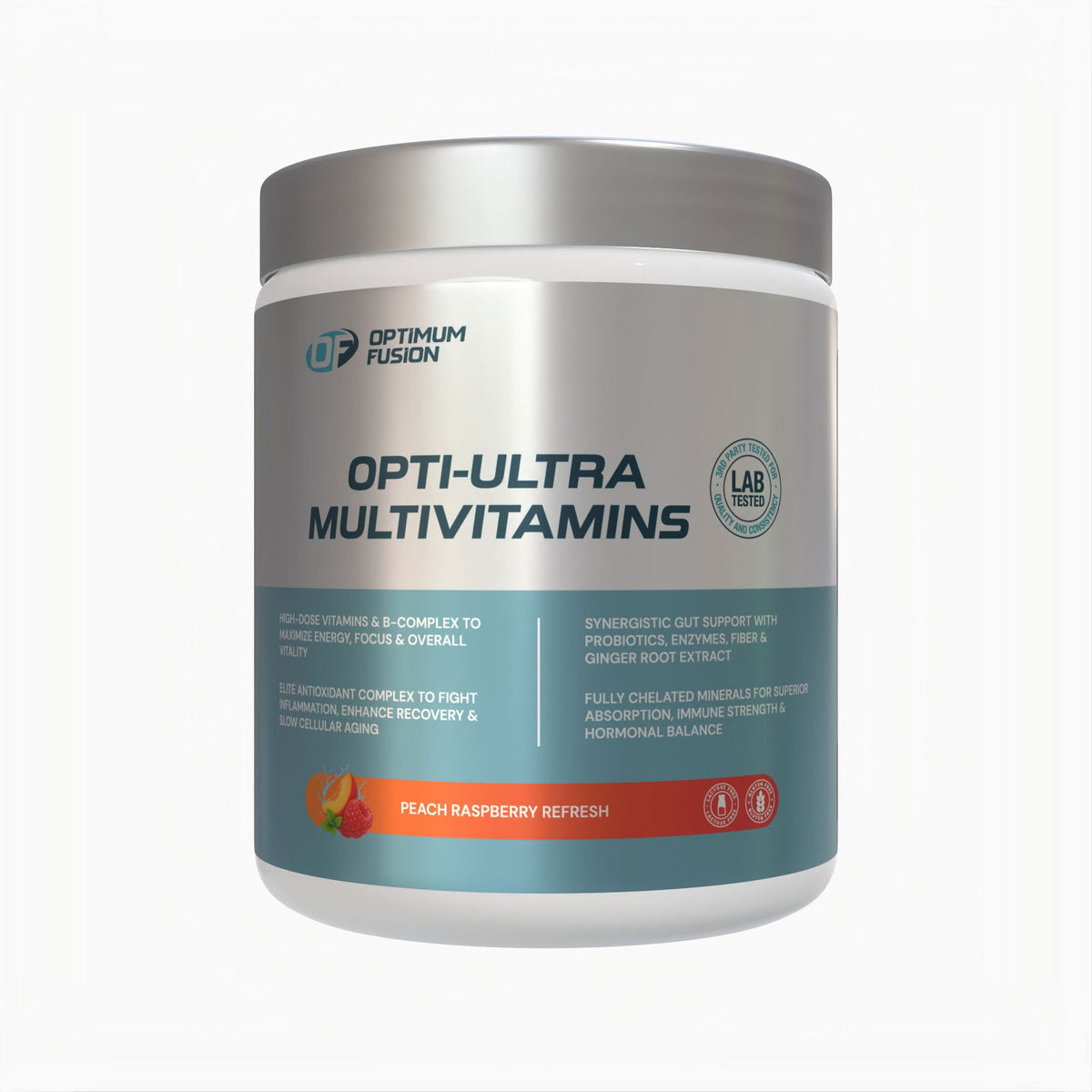
Opti-Ultra: A Daily Multivitamin for Active People
Opti-Ultra is designed as an all-in-one daily foundation for gym-goers.
What's inside:
- 13+ vitamins and 10 minerals
- Vitamin D3 and vitamin C
- High-potency B-vitamins
- Antioxidant blend: CoQ10, astaxanthin, and resveratrol
- Digestive enzymes and probiotics
- 60 servings, third-party lab tested
- Halal certified
Who it suits:
- Gym-goers in the UAE who train indoors and want everyday nutritional coverage
- People in a cutting phase eating less food overall
- Anyone who wants a simple base layer under their protein and creatine
How to use it: take your daily serving with a meal that contains some fat, ideally at the same time each day. Keep it consistent, and check your blood levels with your doctor if you suspect you're low. Find Opti-Ultra here.
Health note: this article is general information, not medical advice. If you are pregnant, breastfeeding, under 18, have kidney disease, a calcium or parathyroid condition, or take any medication, speak to your doctor before taking vitamin D or a multivitamin. Don't combine several vitamin D products without checking your total intake.
Frequently Asked Questions
Why is vitamin D deficiency common in the UAE if it's always sunny?
Most people spend the day indoors in air-conditioned spaces, avoid the strongest midday sun because of heat, cover much of their skin, and use sunscreen. All of these reduce UVB exposure, which is what your skin needs to make vitamin D.
How do I know if I'm low in vitamin D?
The only reliable way is a 25-hydroxyvitamin D blood test arranged through your doctor. Symptoms like fatigue are too general to confirm low vitamin D on their own.
What vitamin D level is good for athletes?
Many clinics aim for about 30–50 ng/ml (75–125 nmol/L), while some guidelines consider 20 ng/ml adequate for bone health. Your doctor will interpret your result based on your health and training.
Can vitamin D improve my gym performance?
Research suggests correcting a deficiency may support muscle function, but athletes who already have good levels generally don't get extra performance benefits from taking more. The goal is adequate levels, not the highest possible.
Is a multivitamin enough to fix low vitamin D?
A multivitamin supports daily intake, but if a blood test shows you are deficient, your doctor may recommend a specific vitamin D plan. Always tell your doctor what supplements you already take.
Can I take too much vitamin D?
Yes. Vitamin D is fat-soluble and can build up in the body, so adults should stay within 4,000 IU per day unless a doctor advises otherwise, and should avoid stacking several products that all contain it.
The Bottom Line
Living in the sun isn't the same as getting enough vitamin D. For UAE gym-goers who train indoors and avoid the heat, a blood test with your doctor is the smart first step, and a quality multivitamin can cover daily basics. Set your nutrition foundation with our free macro calculator, and build a sensible routine with our beginner supplement stack guide and our look at third-party tested supplements in the UAE.
Share:
Creatine Side Effects: Myths vs Facts (Hair, Kidneys, Bloating)
Creatine vs Pre Workout: Differences, Timing & Taking Both