




Last updated: September 2026 · By the OptimumFusion Team
Quick answer: The top supplements for healthy joints are collagen peptides (10–15 g daily, ideally with vitamin C), omega-3 (check the EPA + DHA amount, not just "fish oil"), and curcumin (a formula designed for absorption). Glucosamine and chondroitin have mixed evidence and are worth a personal trial at best. Vitamin D and magnesium support muscles and bones, and vitamin D deficiency is common in the UAE despite the sunshine. Give any joint supplement 8–12 weeks of consistent use before judging it.
Key Takeaways
- Joint health starts with training: good technique, sensible progression, and real recovery days.
- Collagen + omega-3 is a practical starting stack for most active adults.
- Effects are gradual. Expect weeks, not days.
- Read labels: exact doses beat proprietary blends.
- Vitamin D: get tested before taking high doses.
- Pain, swelling, or instability? See a healthcare professional instead of trying to supplement through it.
Joint Supplements at a Glance
| Supplement | Evidence | What it may do | Typical daily dose | Best for |
|---|---|---|---|---|
| Collagen peptides | ⭐⭐ Promising | Supports tendons, ligaments, and activity-related joint comfort | 10–15 g | Lifters, runners, athletes with high training load |
| Omega-3 (EPA + DHA) | ⭐⭐ Good | Supports a normal inflammatory response and recovery | Check EPA + DHA per serving | People who rarely eat oily fish |
| Curcumin | ⭐⭐ Promising | May support joint comfort after demanding training | As labelled (absorption-enhanced form) | Hard training phases |
| Glucosamine + chondroitin | ⭐ Mixed | Long-term cartilage support; results vary by person | As labelled | A personal 8–12 week trial |
| Vitamin D | ⭐⭐ Good (if low) | Supports normal muscle function and bone health | Based on a blood test | Indoor workers, low sun exposure |
| Magnesium | ⭐ Supportive | Supports normal muscle function | As labelled | Diets low in nuts, seeds, and greens |
What Joint Support Should Actually Do
Healthy joints rely on more than cartilage. Muscles, tendons, ligaments, joint fluid, movement quality, and total training load all play a part. Supplements may support the tissues involved in joint comfort, but their effects are usually gradual rather than dramatic.
A joint supplement can't fix:
- Adding too much training volume too fast
- Poor lifting technique
- A diet that's low in protein and key nutrients
- Skipping recovery days
Check your training week first: Are you warming up, controlling your reps, progressing load sensibly, and taking rest seriously? If not, start there. Then use supplements to reinforce the work.
The Top Supplements for Healthy Joints
1. Collagen Peptides
Collagen provides amino acids found in connective tissue, especially glycine and proline. It's a focused add-on for lifters, runners, and athletes who want to support tendons, ligaments, and joint resilience.
What the research says:
- A 24-week study of athletes (Clark et al., Current Medical Research and Opinion, 2008) found that 10 g of collagen hydrolysate daily improved activity-related joint comfort compared with placebo.
- A study in the American Journal of Clinical Nutrition (Shaw et al., 2017) found that taking gelatin with vitamin C about 1 hour before exercise increased markers of collagen production.
How to take it:
- Dose: 10–15 g per day
- With vitamin C: vitamin C plays a role in collagen formation
- Timing: consistency matters most; some people take it 30–60 minutes before training
Collagen isn't a replacement for your main protein. Whey is still better for hitting your daily protein targets and building muscle, because collagen lacks some essential amino acids. If your budget only allows one, hit your daily protein target first.
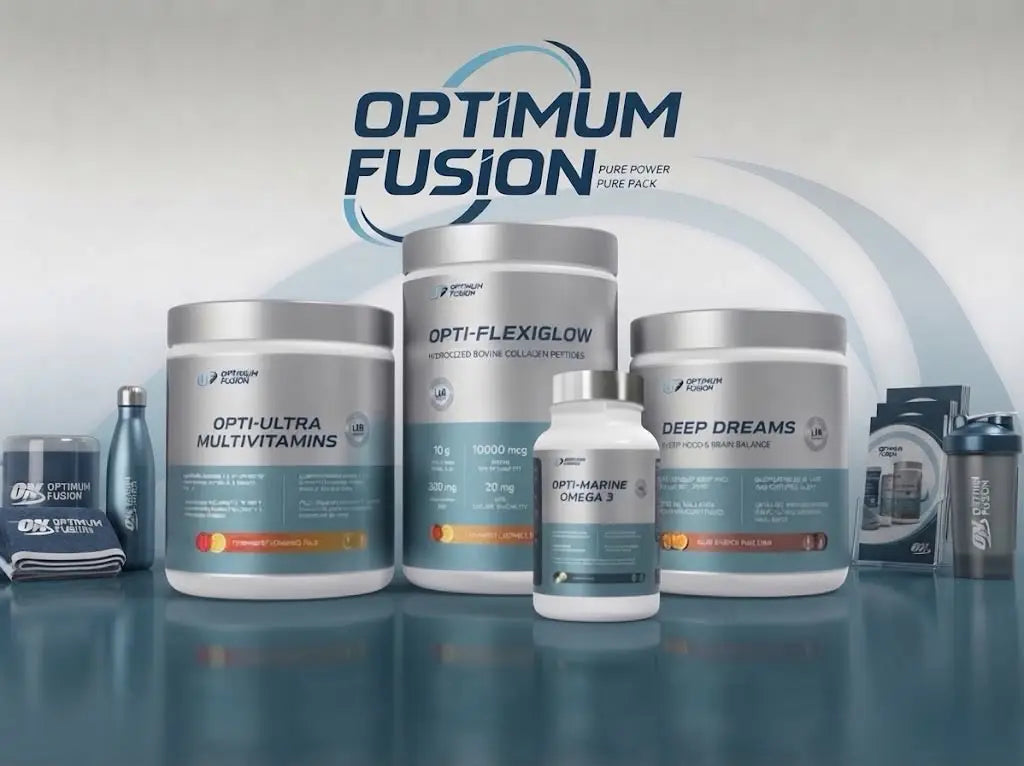
Try Opti-Flexiglow hydrolyzed bovine collagen peptides as a daily joint-support add-on.
2. Omega-3 Fatty Acids
Omega-3s from fish oil or algae oil are a smart daily option for many active adults. EPA and DHA are involved in normal inflammatory processes, which may help people who train hard support recovery and everyday joint comfort.
How to choose one:
- Check the EPA + DHA amount per serving, not just the total fish oil. A capsule with 1,000 mg of fish oil may contain far less actual omega-3.
- Take it with a meal containing some fat for better absorption and less fishy aftertaste.
- Plant-based? Choose an algae-based omega-3.
Works as a habit, not an instant fix. If you eat oily fish like salmon, sardines, or mackerel two or more times a week, your needs may be lower.
See Opti-Marine Omega-3.
3. Curcumin
Curcumin is the main active compound in turmeric. It's popular in joint formulas because it may support a balanced inflammatory response after demanding activity. A 2016 meta-analysis in the Journal of Medicinal Food (Daily et al.) found that curcumin, at around 1,000 mg per day, was associated with improved joint comfort in the studies reviewed.
The catch is absorption. Plain turmeric powder isn't the same as a curcumin supplement designed to be absorbed (often combined with black pepper extract/piperine or special formulations). Check the ingredient panel.
Not for everyone: curcumin can interact with some medications, including blood thinners. Speak to a healthcare professional first if you take prescription medication, have a health condition, or have surgery coming up.
4. Glucosamine and Chondroitin
These two have been used in joint formulas for decades because both are building blocks of cartilage.
The evidence is mixed. The large GAIT trial (Clegg et al., New England Journal of Medicine, 2006) found that glucosamine and chondroitin were not significantly better than placebo for most participants. Some people report benefits; others notice nothing.
If you try them:
- Give it 8–12 weeks
- Change one supplement at a time so you know what's working
- Shellfish allergy? Check the label, as some glucosamine is made from shellfish
5. Vitamin D and Magnesium
These aren't specialised joint supplements, but they support the foundations of performance. Vitamin D contributes to normal muscle function and bone health. Magnesium supports muscle function and normal energy metabolism.
Vitamin D in the UAE: sunshine is abundant, but studies in the UAE have found vitamin D deficiency to be common. Indoor work, covered clothing, sunscreen, and avoiding the midday heat all reduce vitamin D production. Get a blood test through a healthcare professional rather than guessing with high doses.
Magnesium is often low in modern diets. Food comes first (nuts, seeds, leafy greens, whole grains, dark chocolate), but a supplement may help when intake is low.
A daily multivitamin such as Opti-Ultra can help cover general nutritional gaps.
Build a Joint-Support Stack Around Your Training
Start with one or two targeted products, not a crowded formula with underdosed ingredients.
| Your situation | Suggested stack |
|---|---|
| Starting point for most lifters | Collagen + omega-3 |
| Heavy training phase | Collagen + omega-3 + curcumin |
| Runners / high-impact sport | Collagen (before training) + omega-3 + electrolytes |
| Indoor worker / low sun exposure | Add vitamin D after a blood test |
| Want to test long-term cartilage support | Glucosamine + chondroitin as an 8–12 week trial |
Core sports nutrition still matters:
- Protein builds the muscle that supports and protects your joints. Find your target with our free protein and macro calculator.
- Creatine supports strength and training quality. See which other options are worth it in our guide to strength supplements that work.
- Electrolytes help in UAE heat and long sessions where sweat losses are high.
Track results honestly: add one product, use it consistently, and note stiffness, comfort during normal movements, recovery between sessions, and your technique under load over several weeks.
How to Choose a Quality Joint Supplement
- Exact doses on the label, not a vague proprietary blend.
- Clear ingredient forms, especially for omega-3 (EPA/DHA), curcumin (absorption), collagen (hydrolyzed peptides), and magnesium.
- Third-party tested. Learn why in our guide to third-party tested supplements in the UAE.
- No miracle promises. Avoid anything claiming to "rebuild joints overnight" or guarantee pain-free training.
When to See a Professional
Don't try to supplement your way through a potential injury. See a qualified healthcare professional if you have:
- Persistent swelling
- A feeling of instability or the joint "giving way"
- Sharp pain during movement
- Reduced range of motion
- Symptoms that affect daily activities
Training hard is one thing. Ignoring a potential injury is another.
Frequently Asked Questions
What is the best supplement for joint health?
For most active adults, collagen peptides and omega-3 are a practical starting point. Curcumin may help during hard training phases.
How long do joint supplements take to work?
Usually 8–12 weeks of consistent daily use. They work gradually, not overnight.
Should I take collagen or whey protein?
Both have different jobs. Whey is better for building muscle and hitting your protein target; collagen is a targeted add-on for connective tissue. If you can only choose one, choose whey first.
Does glucosamine actually work?
The evidence is mixed. Large studies have found little difference from placebo for most people, but some individuals report benefits. Treat it as an 8–12 week personal trial.
Do I need vitamin D if I live in the UAE?
Possibly. Vitamin D deficiency is common in the UAE because many people work indoors and avoid midday sun. A blood test is the best way to know.
Can I take collagen and omega-3 together?
Yes. They support joints in different ways and are commonly taken together.
The Bottom Line
Healthy joints come from smart training, good nutrition, and enough recovery. Supplements support that process. Start with collagen and omega-3, add others only when they fit your goal, and give them 8–12 weeks. Train with control, fuel for the work, and give your connective tissue time to adapt. Browse our health and wellness range, all lab-tested with next-day delivery across the UAE.
If you take medication, have a health condition, or are pregnant or nursing, speak to a qualified healthcare professional before starting any supplement.
Share:
Strength Supplements That Work: What to Take & What to Skip (UAE)
Whey Protein Isolate for Cutting: UAE Guide + Halal Label Check