




A heavy set does not fail only because your muscles are tired. Sometimes the real problem is that you walk into the gym flat, distracted, underhydrated, and mentally behind the session. The right pre workout for energy and focus can change that feeling - not by replacing sleep, food, or discipline, but by helping you arrive switched on and ready to perform.
For lifters, athletes, and busy professionals training around demanding schedules, pre-workout is a tool. Use it with a clear goal and it can support explosive energy, sharper concentration, better training volume, and more consistent sessions. Use it carelessly and you may end up shaky, overstimulated, or staring at the ceiling when you should be recovering.
What Energy and Focus Actually Mean in the Gym
Energy is not one single sensation. In training, it can mean the physical drive to push through working sets, the motivation to start a session after a long day, or the endurance to keep output high through a demanding workout. Focus is different. It is the ability to stay connected to your technique, rest periods, exercise order, and training intent instead of rushing through reps on autopilot.
A strong pre-workout formula should support both. Caffeine can improve alertness and perceived effort for many people. Performance ingredients can help you sustain hard training. Hydration support can matter even more in hot conditions, especially for UAE athletes who sweat heavily or train after long commutes. Together, these pieces can help a normal workout become a more productive one.
But no scoop can create a great session from nothing. If you slept four hours, skipped meals all day, and have barely had water, stimulants may make you feel awake without making you truly ready to perform. Think of pre-workout as the amplifier, not the foundation.
Ingredients That Earn Their Place
The label matters more than the color of the tub or the intensity of the flavor. Look beyond a vague promise of extreme energy and check whether the formula tells you what you are actually taking.
Caffeine for Alertness and Training Drive
Caffeine is the centerpiece of most stimulant pre-workouts because it works. It can increase alertness, support concentration, and make hard work feel more manageable. That is why it is useful before early-morning lifting, late-afternoon sessions after work, or high-output training blocks.
The correct dose depends on your tolerance, body size, and training time. More is not automatically better. A newer user may feel excellent with a lower amount, while an experienced stimulant user may need a moderate serving to notice the same effect. If caffeine makes you anxious, raises your heart rate uncomfortably, or affects sleep, reducing the serving is a smarter move than chasing the strongest product on the shelf.
Avoid stacking sources without thinking. Coffee, energy drinks, fat burners, and pre-workout can add up quickly. Read every label and count your total daily caffeine rather than treating each product as separate.
Citrulline for Better Training Output
L-citrulline or citrulline malate is commonly included to support nitric oxide production and blood flow. In practical gym terms, many lifters use it for better pumps and to help maintain quality work across higher-volume sessions.
A pump is not the same thing as muscle growth, but it can be a useful sign that you are hydrated, fueled, and working with intent. Citrulline is most relevant when your sessions include hypertrophy work, repeated sets, and short-to-moderate rest periods. If your goal is a single max-effort lift, its value may feel less dramatic than it does during a hard chest, back, or leg session.
Beta-Alanine and the Tingling Question
Beta-alanine supports the production of carnosine, a compound involved in buffering acidity during intense exercise. It is most useful when training includes hard efforts that last long enough to create that burning, breathless fatigue - think circuits, conditioning, higher-rep lifting, and combat-sport-style work.
The familiar tingling sensation is called paresthesia. It can feel intense, particularly with larger doses, but it is generally harmless for healthy adults. It is also not proof that a formula is working. Some athletes enjoy the sensation; others find it distracting. If it pulls attention away from your setup and execution, choose a lower-stim, lower-tingle option instead.
Electrolytes for UAE Training Conditions
In warm climates, hydration can be the difference between a focused session and a flat one. Sweat losses affect fluid balance and electrolytes, particularly sodium. This becomes more relevant for outdoor athletes, long training sessions, double-session days, and gym-goers who arrive already dehydrated.
Electrolytes will not replace a solid daily hydration routine, but they can be a practical addition to a pre-workout or intra-workout plan. Pair them with adequate water and do not wait until you feel completely drained to start drinking.
How to Choose a Pre Workout for Energy and Focus
Start with the session you actually train, not the session you imagine having. A bodybuilder doing 75 minutes of volume work may want caffeine, citrulline, and hydration support. A recreational lifter training at 8 p.m. may need a stimulant-free formula or a smaller caffeine dose. An athlete preparing for conditioning may prioritize sustained output and electrolytes over an aggressive buzz.
Transparent dosing should be non-negotiable. Avoid formulas that hide key ingredients inside proprietary blends, where you cannot see how much of each compound you are getting. Clear labeling gives you control, especially if you are monitoring caffeine intake or combining supplements such as creatine, EAAs, or electrolytes.
Quality is another performance decision. Choose products made with premium ingredients, clear standards, and third-party testing. For competitive athletes, banned-substance-free positioning and transparent quality controls are worth paying attention to. If you follow dietary restrictions, check for lactose-free and gluten-free standards rather than assuming every sports supplement fits your plan.
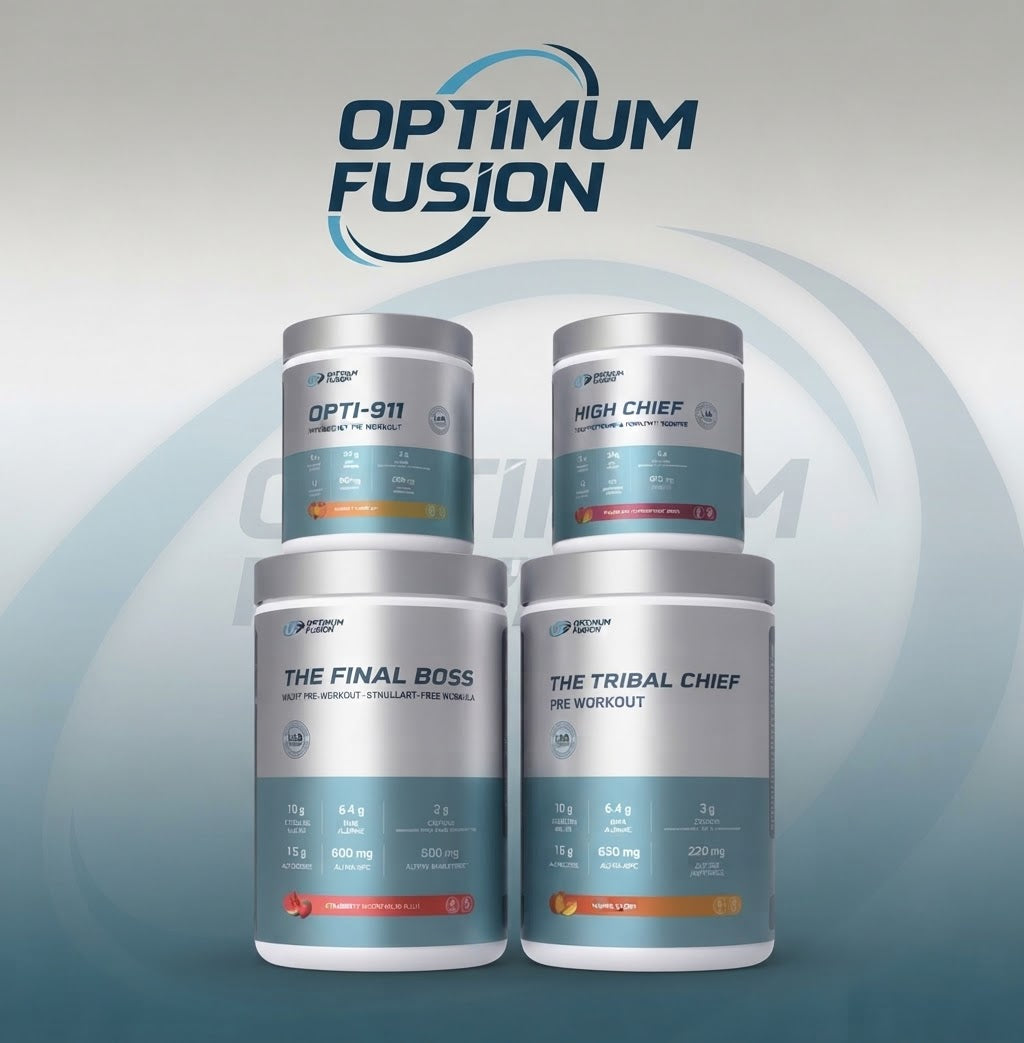
At OptimumFusion, the goal is not random stimulation. It is athlete-oriented support built around real training outcomes: energy when you need to attack a session, focus when technique matters, and ingredient transparency you can trust.
Timing Your Pre Workout Without Wrecking Recovery
Most pre-workout products are taken around 20 to 45 minutes before training, but timing depends on the formula and how your body responds. Start at the lower end of the recommended serving size to assess tolerance. This is especially important if you are new to stimulants, training fasted, or returning after a break.
Caffeine can remain active for hours. If you train late, a full stimulant serving may interfere with sleep even if you feel tired by bedtime. Poor sleep can undermine recovery, appetite regulation, strength progress, and mood - all for the sake of one energized workout. In that situation, use less caffeine, move your training earlier where possible, or switch to a non-stimulant pump and hydration approach.
Food also changes the experience. Taking pre-workout on an empty stomach can make the effects feel faster and stronger, but it may also increase nausea or jitters. A light meal with carbohydrates and protein one to two hours before training often gives a more stable foundation. The supplement then supports the session instead of carrying it.
Common Mistakes That Kill Good Pre-Workout Results
The first mistake is using pre-workout to compensate for chronic fatigue. If every workout requires a huge stimulant hit, look at sleep, calories, hydration, stress, and programming. Your system may need recovery, not another scoop.
The second is changing everything at once. Do not add a new pre-workout, extra coffee, a fat burner, and a new intra-workout product on the same day. You will not know what helps, what causes side effects, or what is simply unnecessary.
The third is confusing sweat and tingles with performance. The best indicator is your training log. Are you more consistent? Are your working sets stronger? Is your concentration better? Are you completing the planned session with good form? Those are the results that matter.
Finally, respect individual limits. Anyone with a medical condition, sensitivity to stimulants, or medication concerns should speak with a qualified healthcare professional before using stimulant supplements. Pre-workout is for supporting performance, not pushing through warning signs from your body.
Build the Ritual, Then Bring the Energy
A reliable pre-training ritual creates focus before the formula does. Pack your gym gear, drink water, know your first exercise, and take your pre-workout with enough time to settle in. That routine tells your brain that it is time to work.
Choose a pre workout for energy and focus that matches your tolerance, your training hour, and your goal for the session. Then let the real proof happen where it counts: under the bar, through the final working set, and in the consistency you build week after week.
Share:
Best Creatine Monohydrate UAE: Dose, Timing & How to Choose
EAAs With Electrolytes: When to Use Them for Better Workouts